Category: News

  • Kigali-based Fashion House Listed Among 50 Most Innovative Companies

    Fast Company, whose mission is to inspires a new breed of innovative and creative thought leaders who are actively inventing the future of business, has listed Made in Kigali among the worlds 50 most innovative companies.

    The Kigali-based fashion house is praised for helping to build an industry from scratch.

    In a blog post, Emma Whitford explains why the company made it to the list:

    [Scorpio Ramazani Khoury,] 26-year-old, a mineral trader by profession, is trying to lead the way—and in the process, boost Rwanda’s reputation as a global exporter (of textiles, of course, but also minerals). Her fashion house, Made in Kigali, expanded in a year to employ nearly 50 tailors, and is currently working with the minister of trade on a large-scale training center in Kigali that could handle 3,000 tailors.

    Made in Kigali is listed alongside world renown brands such as Apple, Google, Alibaba, Instagram, Samsung, and more.

  • IATA Delegation Soon to Head to Rwanda

    When in two weeks’ time a delegation from IATA will be in Kigali to formally present RwandAir with their IOSA Certificate, which catapulted the airline into the global elite of safety audited airlines, guests from near and far will see a lot more than just the airline’s headquarters and operations. They will also see the “new” Kigali International Airport.

    Rwanda may be a geographically smaller country, but it certainly has taken its place on the world scene and is by the general evaluation of many, using a pugilist term, punching well above its weight, and rightly so.

    The Rwandan government has identified aviation as a key to economic success, being a landlocked country twice removed from the nearest deep sea ocean port of Mombasa, through which most of the imports and exports are routed. Tourism is the biggest foreign exchange earner and has been for several years, outpacing agriculture, the mining and the service industry, as Rwanda has also established itself as a regional ICT hub.

    RwandAir and the Rwanda Civil Aviation Authority, both fall under the same home ministry of Infrastructure and Transport, and while clearly functioning independently of each other, as the regulator and the regulated should be, is a greater force at work here, superimposing national goals.

  • Rwanda’s Girl Research Unit in Their Own Words

    In Rwanda, a movement has emerged over the last few year that has seen girls creating their own platforms to tell their own stories. Ni Nyampinga is Rwanda’s first teen brand and it features both a magazine and radio show produced by girls for girls that centers on issues that directly affect them. In 2012, Girl Hub Rwanda decided to build on this movement by creating a team of girl researchers armed with the skills to gather and tell stories of Rwandan girls’ lives.

    In partnership with Market Research Society (MRS) and UK-based organization 2CV, Rwanda’s Girl Research Unit (GRU) was established to provide training on research principles, recruitment in the field, facilitation of workshops and research, analysis and interpretation, and presentation of results from the research to clients. Five young women graduated in June 2014 with an international qualification from the Market Research Society in qualitative research skills and are now equipped with girl-centered research techniques.

    Since June, the GRU has been conducting field research and analysis and giving presentations on their research methodology to audiences such as graduate students from the College of Education at the University of Rwanda. The girls usually work in pairs or small groups when conducting their research and then they analyze their findings as a whole group. Some of the issues the GRU has researched include:

    • Ni Nyampinga radio and magazine: how girls respond to the different magazine issues. This research and analysis resulted in shortening the length of the magazine—as demonstrated in the latest issue (Issue 11). It also resulted in including boys in the upcoming Issue 12.
    • How boys and men can contribute to ending violence against girls. This research fed directly into Issue 11 of Ni Nyampinga magazine.

    We recently spent some time with two researchers, Frida and Aurore, who shared their experience so far.

    How do you feel since your graduation in June?

    Aurore:

    Happy and proud: my skills and knowledge continue to improve and I’m proud that I’m learning so much. I hope to become a professional researcher in the future.

    Frida:

    We didn’t have a lot of independent research work before June because we were still in training. Since then, we have had the opportunity to work alone and to present our ideas to the team which has helped us develop independently. We have worked on several different projects that have improved our skills and that have brought us closer to being professional researchers.

    What do you like most about being a researcher?

    Aurore:

    I enjoy being able to listen to, analyze, and understand different research findings and I love being able to communicate the thoughts and feelings of others in order to contribute to change. It’s exciting that our research findings can help develop NGO and Government programs and strategies.

    Frida:

    I like speaking on behalf of people who cannot speak for themselves. It is a rare opportunity for girls to be able to go into the field, speak to other girls, gather information, understand people’s perceptions about different issues and then present these views to those who can help empower the people.

    Where do you see GRU in 2-3 years?

    Aurore:

    In three years, we will be more independent. We will not need as much feedback and supervision as we do now and we will be equipped with the skills and experience we need to be able to be hired as professional researchers. We also want to keep reaching out and sharing our experiences so that more girls are inspired to become researchers as well.

    Frida:

    I hope for the growth of the qualitative research industry in Rwanda. Qualitative research is being used in more government institutions and other organizations. It should not just be about the numbers but also the story behind the numbers. And these are the stories that the GRU can help tell.

  • East Africa Single Visa: One Step In The Right Direction

    East Africa, a region recognized as a successful global location for mobile payments and a thriving online space, is embracing technology advancement as part of its growth plan for diverse sectors. The newly recently launched East Africa Single Visa is intended to scale up tourist arrivals in EAC member states; Kenya, Uganda, and Rwanda. This multinational-travel certificate which costs $90 will grant tourists a 90-day validity period with no room for extension.

    Although termed as ‘long-haul destination’, one cannot stop wondering why, with massive cultural and natural resources, Africa continues to lag behind in recorded tourist visits. According to a report by the World Travel and Tourism Council, of the one Billion tourists who travelled in 2012, only 50 million were destined for Africa, where East Africa only managed to scoop 5 million (1 percent) of the bound-for-Africa travelers.

    “We need to re-package ourselves” quipped Waturi Matu-Coordinator for East African Tourism Platform in an interview with Jovago.com, a leading online hotel booking platform in Africa.

    Ms. Matu explains that this revamping process would start with the leadership, down to stakeholders and the African Media, “Africa has suffered blanket misconceptions for a long time. We are yet to carry ourselves from the gripping grief of the term ‘dark continent’. Africa needs to tell her own story, and let the world know that beyond the crisis (that exist in every other nation) there exists vast stretches of unique culture, wildlife, flora and fauna, business opportunities and untapped resources.”

    Having spearheaded the campaigns that saw three of EAC member states sign the Single Tourist Visa during the 2013 World Travel Market, Waturi notes that opening borders and removing entry point hurdles is a first step in catapulting both international and intra-regional tourism.

    Although Tanzania had earlier objected to the Agreement citing security reasons, they have since expressed interest which will result in either of these two scenarios as explained by Waturi: They request to be included in the current Northern Corridor arrangement (The cost and formula for revenue sharing would have to be revised to reflect the new entrant) and the interest is brought to the attention of the EAC Secretariat where all EAC countries meet and agree on an implementation framework, determine cost and formula for revenue sharing and sign agreement. Option B would be most appropriate and a true reflection of regional integration. Burundi, she says will be joining at a later date, “we must not rush member states as each country is at different levels, both in infrastructure and technology.”

    Apart from opening the borders for regional tourism, the agreement also allows immigration authorities to recognize National Identification Documents as passports for the EA Community, which fairly levels the playground for both tourists and tour operators
  • Residents from 12 Countries to Get Visa-free entry to Rwanda

    Residents from 12 Countries to Get Visa-free entry to Rwanda

    Passport holders of 12 countries across the world will no longer need a visa to travel to Rwanda for short visits from next month, Rwandas Directorate General of Immigration and Emigration said Monday.

    A visa waiver agreement, which recognized growing links between Rwanda and concerned 12 countries including Singapore, Hong Kong, Mauritius and Philippines will be applied where by nationals from these nations will from now on be exempted from entry/tourism visa for a stay of up to 90 days, the official statement said. Among other countries for whose citizens shall get and pay entry visa fee of 30 U.S. dollars are Australia, Germany, Israel, New Zealand, South Africa, Sweden, Britain and the United States, according to the same source.

    Speaking during an exclusive interview with Xinhua, the spokesperson of Rwandas Directorate General of Immigration and Emigration, Ange Sebutege, said that Rwanda nationals are also expected to enjoy visa-free access to Philippines where by it is expected that each year the number of investors from the Southeast Asian island was expected to grow with the visa waiver in place.

    Meanwhile, citizens from the Democratic Republic of Congo (DR Congo) will continue getting visitors visa for a stay not exceeding 90 days with no fees as provided by the Economic Community of the Great Lakes Region.

    Rwanda is a member state of the sub-regional Economic Community of the Great Lakes region that also includes Burundi and DR Congo, and members of this regional bloc are bound by the agreement signed in September 1976 dedicated to promote regional integration, particularly free movement of persons, goods, and services.

    The new decision on visa policy and regulations for neighboring DR Congo nationals comes a few months after Congolese authorities has instructed all Rwandan citizens to pay for visa in order to enter the DR Congo.

    By adopting these new set of measures, Rwanda is looking to become a preferred destination for tourists while mobilising large foreign investments in the country.

  • Rwanda Emerges as a Popular Destination

    Rwanda Emerges as a Popular Destination

    Once blemished by one of the worst cases of ethnic violence that resulted in to the popular 1994 Rwanda Genocide, Rwanda is fast becoming one of the top travel destinations in Rwanda. To many people in the world, when you ask them about Rwanda, the few who know this tiny country know about the genocide than the adventurous side of it. Twenty years after experiencing the genocide, a worst ethnic violence the world has ever seen, Rwanda has greatly recovered and established itself as one of the places to go gorilla trekking though still now the effects of the genocide is still fresh in the hearts of Rwandans.

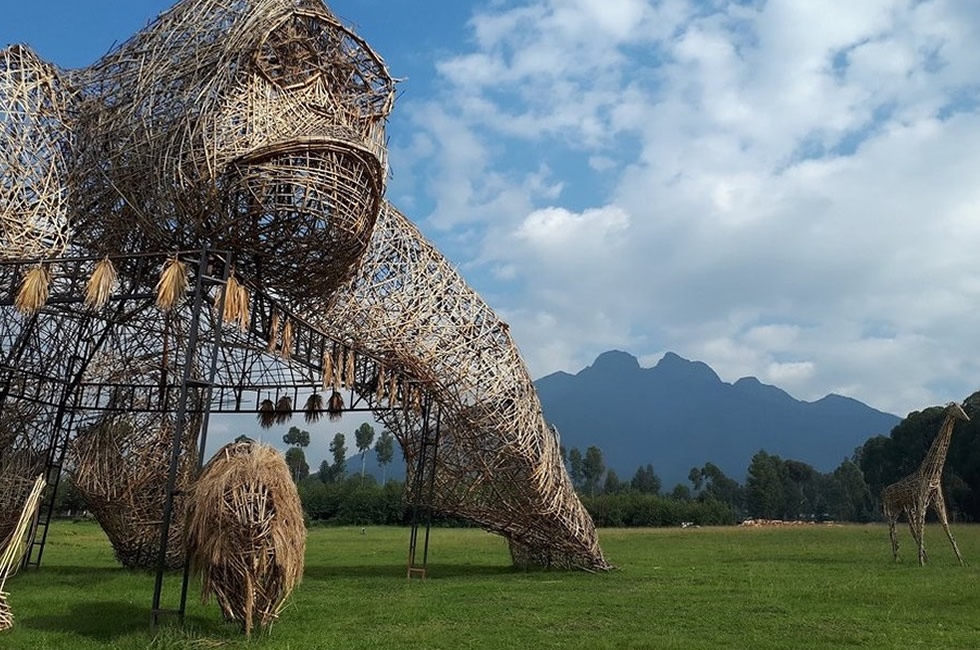
    The country has steadily emerged as a well-known tourist destination internationally thanks to the existence of the mountain gorillas. Tourists are drawn to Rwanda by its natural and scenic beauty, rich culture, as well as the unique flora and fauna in its national parks, which are home to the giant mountain gorillas. Many travelers have taken safaris into Rwanda to see the amazing gorillas, chimpanzees, genocide memorial sites and experience the unique culture of the Rwanda people.

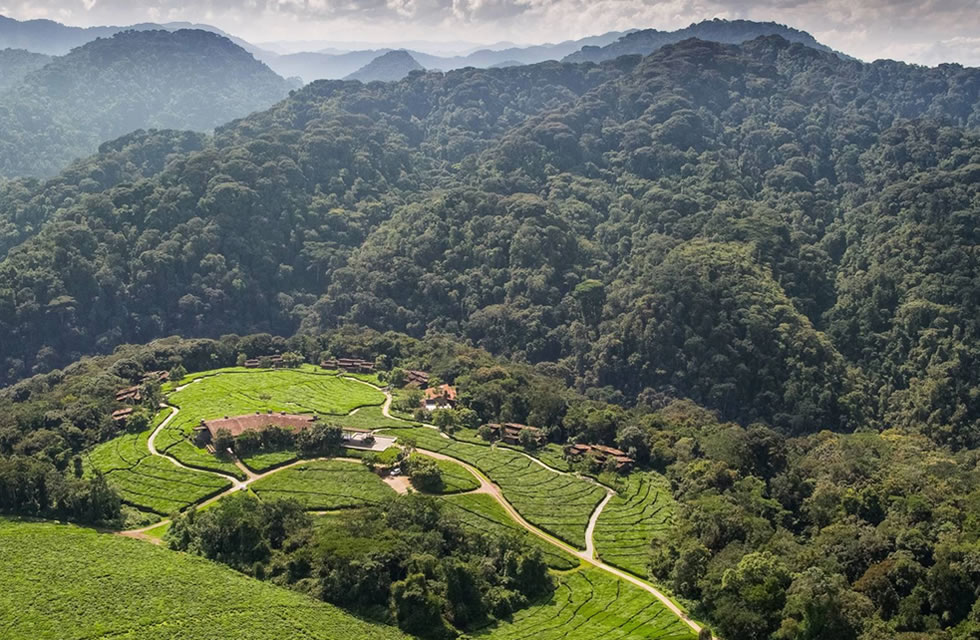
    The Goma, Kibuye, Kigali, Gisenyi are the well known places to see in Rwanda. Rwandan wildlife attracts a huge number of tourists every year. The dangerous volcanic mountains preserved by the Volcanoes National Park and the dense tropical forests are the main attractions in the northern part of the country. On the other hand lakes, rivers, valleys and hills dominate the rest part of the country. Akagera National Park in eastern Rwanda and Parc National des Volcanoes is the home place for many endangered species. The water bodies of Rwanda are also very famous particularly the Lake Muhazi and Lake Kivu

    Besides that, the Rwanda recently joined the International Council of Tourism Partners. All of these attributes have helped the nation to rank among the top five as it was voted among the; “Top Emerging Destinations” in the Wanderlust Travel Awards 2011. This all means that the country’s efforts to develop travel and tourism in a sustainable way seem to be paying off, so all you have to do is bear witness to what Rwanda has to offer by booking one of the packaged Rwanda safaris today.

  • RDB Set to Grade 30 More Hotels this Year

    The Rwanda Development Board’s Tourism and Conservation Department will grade at least 30 more hotels this year, following the start of the exercise last year. Using the East African Community’s guidelines for grading and classification of hotels and other hospitality businesses, RDB is reportedly committed to play their part in ensuring that standards and quality of tourism establishments in Rwanda are uplifted to match if not exceed those of their neighbors in the East African community.

    Presently only the Kigali Serena Hotel and the Nyungwe Forest Lodge by DubaiWorld hold the coveted 5-star ranking, while a number of other Kigali hotels were graded as 4-star properties, as was the Lake Kivu Serena. A number of other establishments have requested to be put on the list for upcoming inspections to ensure they can also publicly announce and display their star rating once the exercise is complete.

    Those already graded will, however, also undergo a fresh audit to ensure that standards established at first inspection will have been maintained to ensure continued high ranking, also giving others the opportunity to attain a further star, should improvement made over the past two years warrant such a decision.

    “When you were here last time we discussed the very issue of standards. Rwanda is a niche destination, still largely focused on gorilla trekking. The new products launched over the past two or three years, however, have attracted a lot of attention. Hiking is now a regular activity in Nyungwe Forest, Gishwati Forest, and along the Congo-Nile Trail. Birding has become an important additional niche.

    “It is now important to raise our standards so when visitors come to Rwanda as an extension of their Kenya or Tanzania holiday they get the best possible quality, in guides, in infrastructure, and, of course, in hospitality. There is always room to improve, but we have made it our mission to accomplish certain goals sooner rather than later. When the new Marriott will open, it will compete at level terms with the Serena, and that is good for the country as it offers another 5-star choice.

    “Our MICE business is growing strongly, too, and that segment of the market in particular is really very much interested in quality facilities. Rwanda is going places,” said a source in Kigali working at a hotel but, for not being the official company spokesperson had to opt for an off-the-record comment.

  • MTN Rwanda Loses Market in Fourth Quarter to Rival Tigo

    MTN Group Ltd. (MTN)’s Rwandan unit lost market share in the fourth quarter to its main competitor, Tigo Rwanda, the Rwanda Utilities Regulatory Agency (RURA) said. MTN Rwanda’s share stood at 65 percent compared with 72 percent a year earlier, while Tigo’s grew to 35 percent from 19 percent, the Kigali-based regulator said in a report yesterday. MTN had 2.89 million subscribers in the East African country as of December, while Tigo had 1.55 million, it said.

    “Our affordable tariff structure has clearly played a major part in this achievement,” Tigo Chief Executive Officer Diego Camberos said in a phone interview yesterday. MTN Rwanda Chief Marketing Officer Yvonne Makolo didn’t respond to an e-mailed request for comment.

    Rwanda’s mobile-phone penetration rate may increase to 60 percent this year after Bharti Airtel Ltd. (BHARTI) begins operating in the East African country, the regulator said in January. The proportion of the Rwandan population with a mobile phone rose to 41.6 percent in December from 41.3 percent in November.

    MTN Rwanda began operations in 1998, while Tigo, which is owned by Luxembourg-based Millicom International Cellular SA (MICC), obtained its license in 2008.

  • Multimedia Academy to Open Next Week

    A multimedia academy, The Africa Digital Multimedia Academy the first in Africa, will commence lectures next week in Kigali.

    This was revealed yesterday, by the Director General of WDA, Jerome Gasana, during a press conference held at the academy premises in Nyarugenge District, Kigali city.

    He said WDA, in collaboration with Pixel Corps has already recruited 20 students for the first intake. Gasana noted that those who were recruited are already engaged in the multimedia industry.

    “Over 300 people applied for this training,” Gasana said.

    He added that after three months, the academy will recruit another batch of students. Initially the school was supposed to have started operating before the end of February, but according to Gasana, it was delayed because they were still procuring equipment for the academy.

    He noted that the school aims to equip Rwandans with multimedia skills, therefore unlocking the entire industry and encouraging innovation and creativity.

    The Government, through the WDA, has so far spent Rwf 100 million on the Academy. Various international companies have shown interest in providing more financial support to the school.

    Speaking to The New Times, Christopher Marler, the Program Manager at the Academy, the Pixel Corps are working with WDA to develop a curriculum and train instructors for the school.

    “The teaching equipment, which we have brought here, is as good as those used in the film production and Photoshop academies in the USA. In addition, part of our responsibility is also to connect the academy to other academies in the same field”.

  • WTM 2010: Rwanda: ‘More than just Gorillas’

    Rwanda is hoping to push tourism beyond its most famous visitor attraction – its mountain gorillas.

    Rica Rwigamba, the Rwanda Development Board’s head of tourism and conservation, said that gorilla-tourism is at around 90% of capacity, but that the country has a lot of other products and experiences to offer.

    “Yes, come for the gorillas, but what else will you do after that? We have so much more than mountain gorillas,” she said.

    There are already signs of visitors staying longer in the country, she said, with tour operators bringing in seven or 10-day packages to the country instead of three or five-day “add-ons”.

    New areas of the country are to be promoted to tourists, crucially Nyungwe national park in south-east Rwanda.

    The Mantis Group, which owns several luxury properties and game reserves around the world, opened Nyungwe Forest Lodge in the park in March of this year.

    Rwigamba confirmed that the Marriott, Hilton and Radisson groups are also in discussions about moving into Rwanda for the first time.

    While nature remains a key attraction, Rwanda is looking to promote its cultural heritage more heavily to tourists.

    “We’d like to show people not just the genocide, but Rwanda’s history before colonialisation, and before the genocide,” she explained.

    KLM began flying from Amsterdam to Rwanda via Nairobi on November 1, which Rwigamba said was giving much needed competition to Brussels Airlines.